Catering Guide
Hosting a Jordanian Catering Event in Dallas: A Guide
Planning a wedding, corporate event, or milestone dinner in DFW? Here's how Jordanian catering works, what to serve, and how to make mansaf the centerpiece.
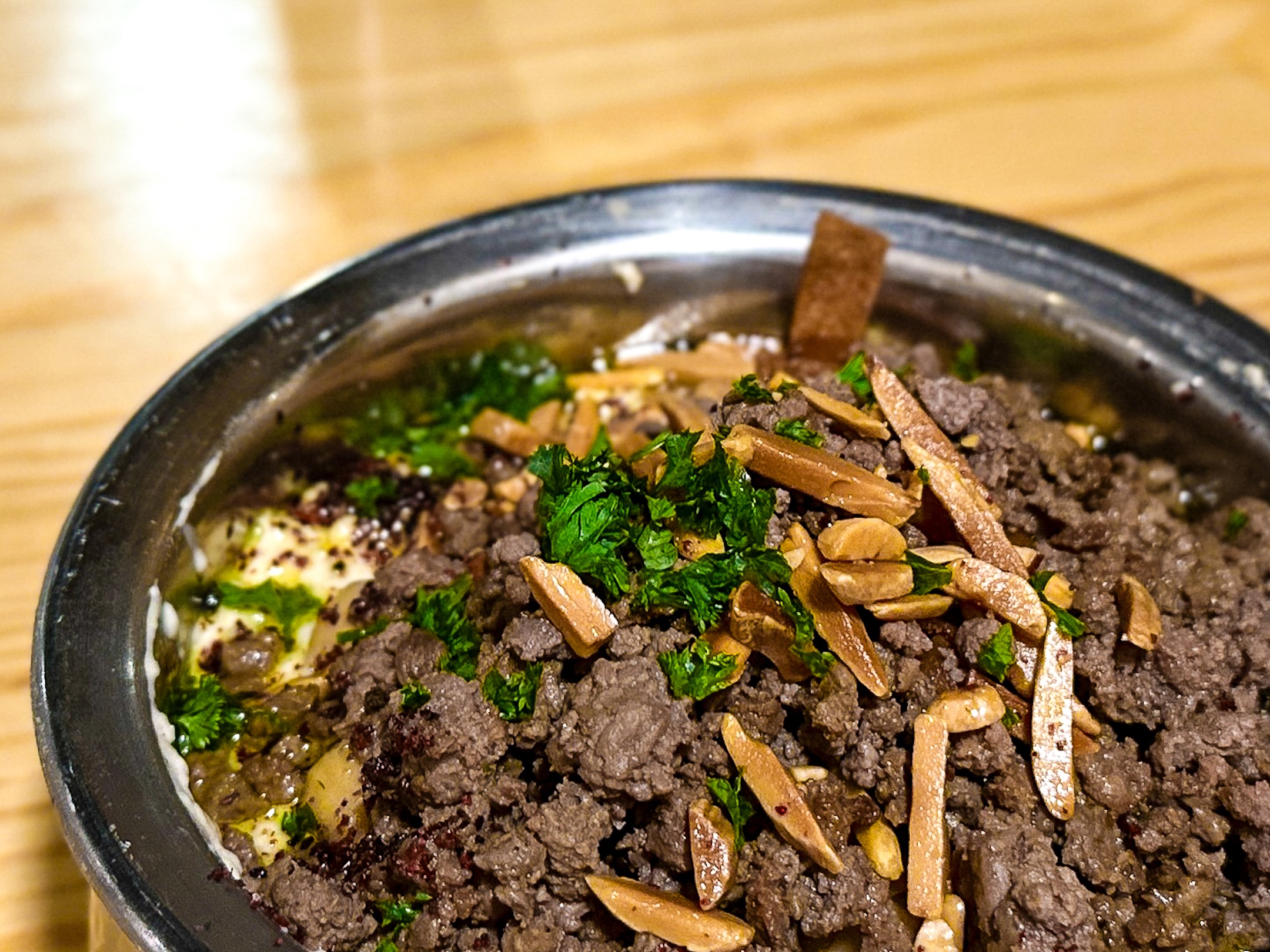
Why Jordanian food scales so well for events
Jordanian cuisine is built for hosting. The most iconic dishes — mansaf, fatteh, musakhan — are already designed for large-format serving. Mansaf in particular is traditionally served on a massive round platter meant to feed eight to ten people at once.
This isn’t an accident. Jordanian hospitality is a cultural value: when you host, you host generously. That design principle makes Jordanian catering uniquely well-suited to weddings, corporate events, and milestone gatherings in DFW — you’re working with food that was engineered for exactly this.
What to serve at a Jordanian catering event
The anchor: Mansaf
If you’re going Jordanian, mansaf is your centerpiece. It’s the national dish, it’s the dish Jordan serves at weddings and celebrations, and it’s the dish that makes guests remember the event.
Budget one lamb portion per 2–3 guests, with rice and jameed sauce alongside.
Mezze: the opening spread
Build your mezze around:
- Hummus — the universal starter.
- Mutabal — smoky eggplant dip, distinct from the Lebanese-style baba ganoush.
- Labneh — strained yogurt with olive oil.
- Makdous — stuffed baby eggplants cured in oil.
- Tabbouleh & Fattoush — the two signature salads.
- Warm pita and shrak bread — baked the same day.
A good mezze spread gives vegetarians and mezze-only guests a full meal before the main.
Manakish: the brunch-friendly option
For lunches, brunches, or receptions, a manakish bar works beautifully — fresh-baked flatbreads topped with zaatar, cheese, sujuk (spicy beef sausage), or combinations. Interactive, warm, visually striking.
Dessert
Kunafa (sweet cheese pastry in orange-blossom syrup) is the Jordanian wedding dessert. Mohallabiah (milk pudding) and umm ali (bread pudding with nuts) are the other traditional choices. Turkish coffee and large tea pots close the evening.
How many guests per package
| Event type | Serves | What to expect |
|---|---|---|
| Corporate lunch | 15–40 | Mezze + manakish bar or salads + mezze |
| Rehearsal dinner | 20–50 | Mezze + mains (mansaf or musakhan) + desserts |
| Wedding reception | 50+ | Full spread — mansaf centerpiece, mezze, salads, dessert bar, Turkish coffee |
| Holiday / community | 30–100 | Buffet format with mansaf, mezze, hot sides, desserts |
Logistics: what to ask your Jordanian caterer
- Can you do mansaf off-site? Mansaf is best made fresh. Ask how the caterer transports and holds it.
- Lead time for mansaf? Traditionally 48 hours’ notice. Confirm with your caterer.
- Do you provide service staff? Drop-off is simpler. Staffed service gets you tableside jameed-pouring on the mansaf, which matters for weddings.
- Vegetarian options? Jordanian cuisine is unusually friendly here — most mezze and half the menu is naturally vegetarian.
- Is it halal? For events where halal matters, ask whether the caterer is halal across the menu or just on meat.
How to work with Khashoka for catering
We cater across DFW — Richardson, Plano, Allen, Frisco, Dallas, Garland, and wider on quote. Our catering menu is built around the same ingredients we import from Jordan, scaled to event sizes from 15 to 150+.
Packages run from a Mezze Spread (15–30 guests, vegetarian-friendly) through to a Full Jordanian Wedding (50+, mansaf-anchored, complete with Turkish coffee service).
What to do next
- Decide your date, guest count, and venue.
- Submit a catering request — include the event type, party size, and whether you want drop-off, staffed, or full service.
- We’ll send a menu and quote within one business day.